

Packing for a move can feel chaotic at first. Boxes everywhere, tape stuck to your fingers, random items showing up from drawers you forgot existed in the middle of all that, having a trusted moving team can make things a lot easier, you know, because they’ve seen every moving mess before. Still, a little planning on your side goes a long way.
The real goal is simple. Keep things organized so unpacking later is not a headache. Small steps help more than you think. A little sorting here, a few labels there, and suddenly the whole move feels manageable.
Declutter Before Packing
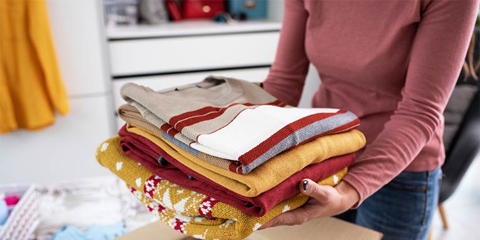
Before any boxes get filled, it helps to sort through what you actually own. Closets, cabinets, random storage bins. Things pile up over time, and some of them sit there.
Create simple groups like keep, donate, sell, or discard. It may feel strange letting go of items, but it lightens the load. Fewer things mean fewer boxes, and honestly, fewer boxes make moving day calmer.Think about how often you use each item. If something has not been touched in years, it may not need to come along. A lighter move makes settling into the new place easier, too.
Pack Room by Room
Packing one room at a time keeps everything from turning into chaos. Start with spaces you use less often, like guest rooms or storage areas. The kitchen and bedroom can wait a little longer.
Keep all items from the same room together. This small habit makes unpacking easier later. You will not end up searching through five boxes to find one lamp.
Having a small packing area also helps. A table or corner where supplies stay organized saves time. Less wandering around the house looking for tape.
Use Quality Packing Supplies
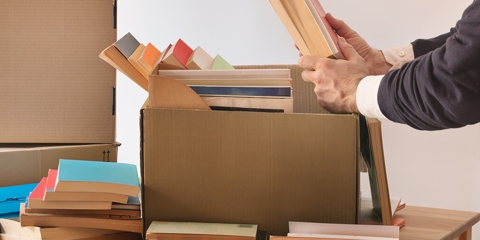
Packing materials matter more than people expect. Strong boxes hold their shape better and keep items from shifting during the move. Thin boxes might seem fine at first, but they can collapse under weight.
Bubble wrap or packing paper adds a protective layer. Fragile items really benefit from that extra cushion. A bit more padding now can prevent broken pieces later.
Good packing tape also helps keep boxes sealed tightly. Loose tape can open during transport, which is never fun to deal with. Secure boxes travel better.
Label Boxes Clearly
Clear labels make unpacking much easier. Write the room name and a short description of what is inside. Large writing on the side of the box helps people spot it quickly.
A quick note for fragile items is helpful, too. It reminds anyone carrying the box to move a little more carefully. Small reminders can prevent accidents.
Some people add color labels for each room. It sounds simple, but it works well. Boxes reach the right room faster, and unpacking becomes less confusing.
Create an Inventory List
Keeping track of boxes helps avoid that moment where something seems missing. Numbering each box and writing down the contents is one simple method. It takes a few seconds, but it helps later.
Photos can help too. A quick picture of the box contents before sealing it can save time when searching for something specific. Sometimes memory is not as reliable as we hope.
A small list on your phone or notebook keeps everything organized. If something is misplaced, you know exactly where to look. That little system can save a lot of frustration.
Prioritize Essentials
Not every item needs to be unpacked right away. A small box with daily essentials makes the first night easier. Think about things you will need immediately after arriving.
Clothes, toiletries, medications, and a phone charger usually belong in that box. A few kitchen basics help, too. A mug, a plate, and some snacks.
Keeping tools nearby can also help. You might need them for quick furniture setup or small adjustments. Having those items close by makes the first day in the new place smoother.
Related Topics: