

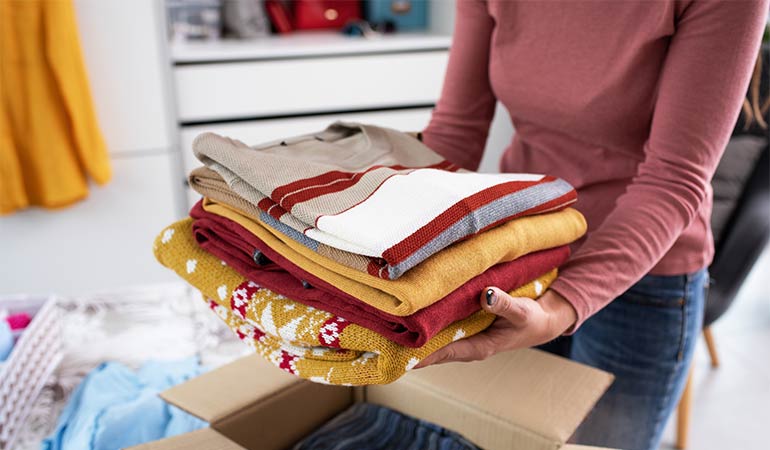
Packing clothes might seem straightforward, but doing it right can save you a lot of headaches on moving day. A reliable moving company can handle the heavy lifting, but knowing how to prep your wardrobe makes the whole process smoother. This post covers everything from sorting and decluttering to protecting your most delicate pieces. You'll also find tips on choosing the right supplies and labeling boxes for easy unpacking. Follow these steps, and your clothes will arrive at your new place in great shape.
Sorting and Decluttering
Before you start packing, go through your wardrobe and sort everything into three piles: keep, donate, and toss. Look at each item and consider its condition, how often you wear it, and whether it has any sentimental value. This step cuts down on what you actually need to pack and makes sure only the stuff you want comes with you to the new place. Give gently used clothes to charity or friends, and throw out anything damaged beyond repair. Decluttering before you pack makes the whole process faster and way less stressful. A clean, organized wardrobe sets you up for a smoother move.
Choosing the Right Packing Supplies
Picking the right packing supplies keeps your clothes safe during transport. Go with sturdy moving boxes in different sizes so you can fit all types of clothing. Bubble wrap or packing paper works well for protecting delicate fabrics and accessories. Wardrobe boxes with built-in hanging rods are perfect for items that need to stay on hangers. They prevent wrinkles without any extra effort. Vacuum-sealed bags help compress bulky items, such as winter coats or bedding, to save space. Garment bags keep formalwear and suits wrinkle-free throughout the move. Spending a little extra on quality supplies pays off when your clothes arrive looking good.
Packing Clothes by Category
Sorting clothes by category keeps your packing organized and your unpacking quick. Start by grouping items into categories such as tops, bottoms, dresses, outerwear, and accessories. This approach lets you pack similar shapes and sizes together, which makes better use of box space. When you arrive at your new home, finding specific items becomes much easier. You can also break down each main group further, separating formal clothes from casual stuff, for example. Use clear labels or color-coded tags on each box so you know exactly what's inside. Packing by category saves time on both ends of the move.
Utilizing Space-Saving Techniques
Getting the most out of your box space requires a few smart packing tricks. Roll your clothes instead of folding them. This method reduces wrinkles and fits more into each box. Vacuum-sealed storage bags compress bulky items, freeing up a ton of space. Stuff smaller things like socks or accessories inside shoes or in the gaps between larger clothing pieces. Always put heavier items at the bottom of boxes and fill empty spaces with soft items like scarves or t-shirts. These techniques make packing more efficient and keep everything organized during the move.
Protecting Delicate Fabrics
Delicate fabrics need extra attention to avoid damage during a move. Wrap items like silk, satin, or lace in acid-free tissue paper to protect them from dust and discoloration. For clothes that wrinkle easily, think chiffon or organza, use garment bags to keep them smooth and crease-free. Fold delicate knits, such as cashmere, neatly to prevent stretching or snagging. Wardrobe boxes work well for valuable pieces like evening gowns or suits, as they allow them to hang freely without getting crushed. Mark these boxes as fragile so they get handled with care. Taking these precautions ensures your delicate items arrive at your new home in perfect condition.
Labeling and Organizing Boxes
Clear labels and solid organization make unpacking way easier. Taking a few extra minutes to mark your boxes properly saves time and stress later. Here are some tips to keep things organized:
Color-Code Boxes: Pick a specific color for each room so you can quickly see where each box goes.
Create a Detailed Inventory: Write down what's in each box for easy reference when unpacking.
Label Fragile Items: Mark boxes containing delicate items clearly so they are handled carefully.
Prioritize Essentials: Pack a separate box with things like toiletries and a change of clothes, and label it "Open First."
Related Topics:
.jpg)